


Table of Contents
Drunk driving continues to be a serious concern on Canadian roads, with thousands of accidents and fatalities each year. Police have tools to detect impaired drivers, including sobriety tests, and the rules around these tests carry significant legal weight.
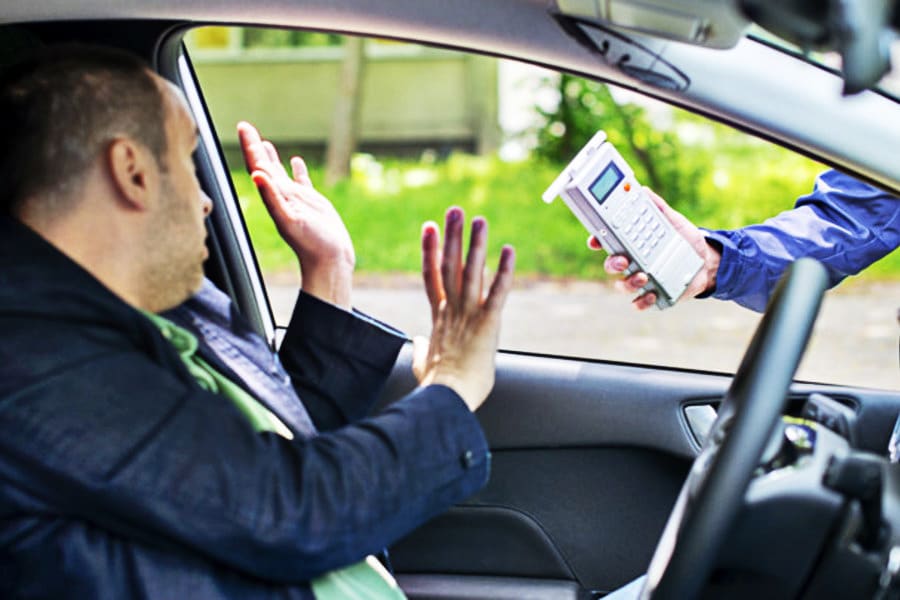
If you’re ever pulled over, you need to understand the law behind your ability to refuse a breathalyzer test in Canada. And to say it shortly, it’s better not to do this since in Canada in 2026, refusing a breathalyzer test is almost always worse than taking it
Canada’s Breathalyzer Laws
Every day in Canada, four people lose their lives because of a drunk driver. Considering drunk driving is a criminal offense, this means drunk driving is the number one source of criminal-related deaths. Because the death toll is so high, the Canadian government has decided to make breathalyzer tests mandatory. If you’re pulled over by a police officer and they request a sobriety test of any kind, you are legally required to undergo the test.
What Happens If You Refuse a Breathalyzer Test?
Refusing to take a breathalyzer test can land you in some serious trouble. The penalties go beyond fines, affecting your driver’s license and even your vehicle. In 2026, penalties became even harsher as part of the government’s initiative to make Canadian streets safer. Today, all drivers who fail or refuse to comply with a demand for alcohol or drug testing will face:
| # of Offense | Details |
| First Time | Immediate roadside 90-day suspension 7-day vehicle impoundment 8-hour education course $550 penalty Licence reinstatement fee |
| Second Time | Immediate roadside 90-day suspension 7-day vehicle impoundment 16-hour treatment program $550 penalty Licence reinstatement fee |
| Third Time | Immediate roadside 90-day suspension 7-day vehicle impoundment 16-hour treatment program Ignition Interlock condition for six months $550 penalty Licence reinstatement fee |
Do keep in mind that even if you refuse to take the test, you can still be charged with a DUI. Of course, the procedure is different, but it’s still quite possible. The fine for refusal of the test is high, and justifiably so.
When Can Police Legally Require a Breathalyzer?

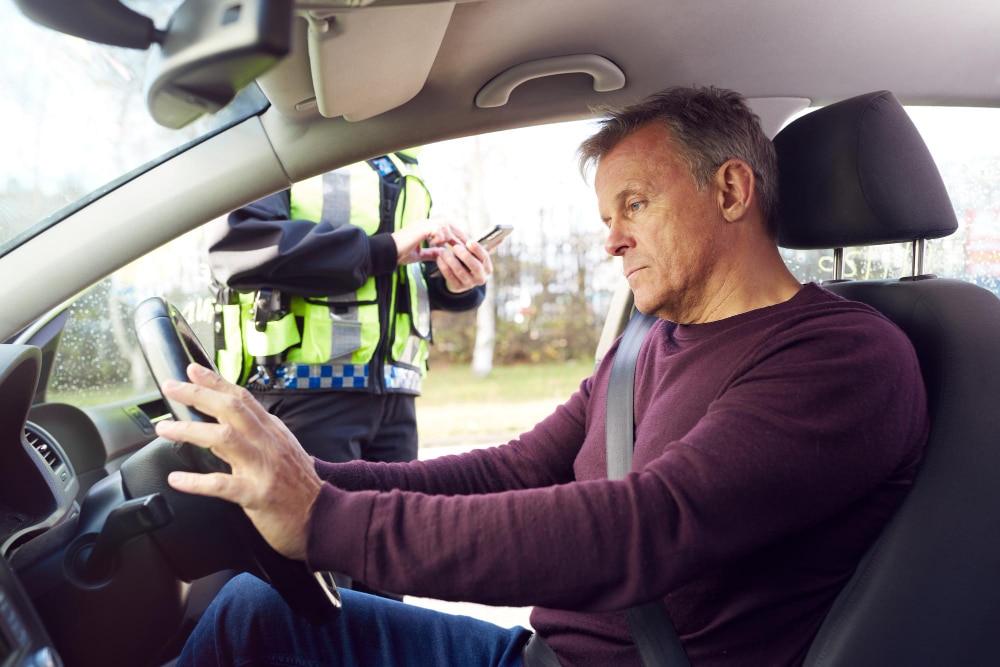
One thing to keep in mind is that a police officer must have a cause before requesting the test. A police officer can’t just request one out of nowhere. However, if you’re driving in an erratic manner, they have every right to request a test. Erratic behavior could mean:
- Driving way over the limit
- Swerving around violently
- Abrupt or unusual braking patterns
Some people may think that you can argue in court that the officer had no cause, and some have used it to win back in the day. Nowadays, officers have body- and dash-cams that provide physical evidence. Hearsay is no longer an effective defense for drunk drivers.
What to Do if Charged With a DUI in Ontario?
If you’ve been charged with a DUI in Ontario, get in contact with Jonathan Lapid, a tremendous Toronto DUI lawyer who’s been fighting drunk driving charges for over a decade and winning. If you feel as though the charge for refusal of a test was not warranted, Mr. Lapid will do his absolute best to get the charges reduced.
Conclusion
Refusing a breathalyzer test in Canada comes with serious consequences that can affect your license, your car, and your record. The rules are strict, and police have clear procedures to follow, so it’s not something to take lightly.
Refusing a Breathalyzer Test in Canada in 2026 FAQ
-
Is it legal to refuse a breathalyzer test in Canada?
No, it is not legal to refuse a breathalyzer test in Canada when demanded by a police officer with lawful authority. Refusing a breathalyzer constitutes a criminal offence under Section 320.15 of the Criminal Code. -
Is refusing a sobriety test an admission of guilt?
Refusing a sobriety test is not considered a legal admission of guilt for impaired driving itself, but it is treated as a separate criminal offence with its own penalties. -
What do I do if I’m charged with refusing a breath test?
If charged with refusing a breath test, you should immediately consult a criminal defence lawyer with experience in DUI or refusal offences. -
Can refusing a breathalyzer affect my insurance or future employment?
Yes, refusing a breathalyzer can severely affect both your auto insurance and future employment prospects. Insurers regard refusal convictions as seriously as impaired driving, leading to higher premiums or denial of coverage for several years.