
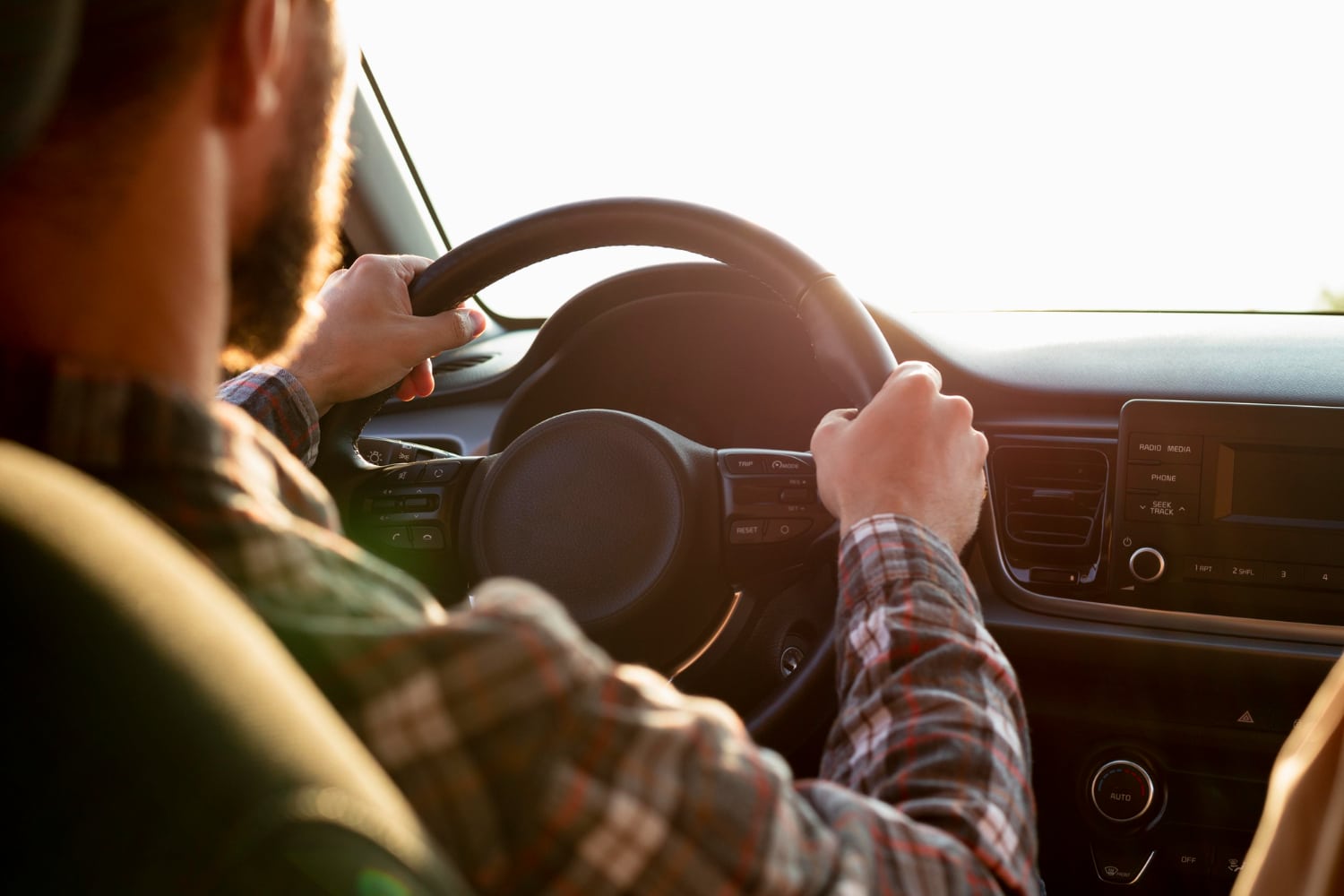

Getting a DUI is a very serious thing. Not only does it mean you broke some pretty hefty laws, but it means you’re going to be subject to a lot of harsh fines and punishments. One of which is the ignition interlock. Here’s all you’ll ever want to learn regarding ignition interlock devices in 2026.
Frankly, if you’re required to use an ignition interlock before driving, you’re lucky. A lot of people who get charged with a DUI cannot drive whatsoever. They lose their license, they lose their clean record, and in a lot of cases, they lose their car.
What is an Ignition Interlock Device?
In simple terms, an ignition interlock device (IID) is a tool that prevents your vehicle from starting if you’re above the legal limit. In this case, the legal limit for someone who’s been charged with a DUI is often 0. Effective July 1, 2026, an the device becomes a mandatory requirement for certain impaired driving convictions. This applies to drivers convicted of criminal impaired driving for offences committed on or after that date before they are permitted to drive again.
How does an ignition interlock device work?
Most first-time offenders may be able to drive again, but it’s super likely they won’t ever be able to have even the slightest bit of alcohol or weed in their system. This is how an ignition interlock device works:
- It’s installed directly in your vehicle, and you breathe into it like a breathalyzer
- It cannot be tampered with and must be used every time before driving
- The device is programmed with a specific BAC limit, often set by the court
- If your breath shows no limit exceeding, the car starts
Note that some devices may alert authorities if repeated attempts occur while impaired. It can alert emergency services or your parole officer immediately if you’re on parole or probation.
Checkpoints and Safety Features
In Ontario, a lot of these devices will get you to provide a sample at every checkpoint. A checkpoint is a predetermined distance you drive before needing to provide a sample. Some devices will ask you to move over, whereas others will need you to provide the sample while driving. If alcohol is detected on a rolling retest, the device never shuts the engine off while the vehicle is moving — instead it records the failure and triggers warnings (such as flashing lights and the horn) until the vehicle is pulled over and turned off. Failed or missed retests are logged and reported to the program authority.

This checkpoint system is designed to deter DUI offenders from drinking while driving. Without this checkpoint system, drivers could turn on the car, only to drink while driving! A very dangerous loophole in our opinion. Some devices won’t turn the engine off right away for safety reasons, but instead, will activate a bunch of preprogrammed lights and audio signals. These signals will prompt you to pull onto the side of the road. If you don’t, it’s device records a missed or failed retest, and that record is reported to the program authority.
Types of DUI Violations
So let’s take a moment to talk about the different forms of DUI violations. There is a range of offenses, each with its own legal definition and consequences. Below is a breakdown of the most common DUI violations in Ontario.
| DUI Type | Definition |
| Impaired driving | Operating a vehicle unsafely, even without alcohol or drugs (e.g., fatigue) |
| Driving under the influence | Driving while impaired by alcohol or drugs (including prescription medication) |
| Over 80 charges | BAC over the legal limit of 0.08 |
| Failure to provide a breath sample | Refusing a breath test or sobriety test. |
| Care and control | Being in control of a vehicle while intoxicated, even if the vehicle isn’t moving |
| Multiple offences | Repeat offenses increase penalties substantially |
One of them is impaired driving. It can happen even if you’re below the legal limit. You don’t even have to be high or drunk to get this charge. Anything that causes you to operate a vehicle in an unsafe manner is eligible to be used as a cause for impaired driving. Impairment must come from alcohol or a drug — tiredness on its own is not an impaired-driving offence.
Driving under the influence is similar to impaired driving in the sense that alcohol or marijuana is not the only substance involved. The impairment can come from any drug — illegal, prescription, or over-the-counter — as long as it impairs your ability to drive on the scene. Typically impaired driving and driving under the influence go hand in hand.
The next type is the over 80 charges. It basically means your blood alcohol level (or BAC for short) registered as over 80, the legal limit. The next type of DUI is the failure to provide a breath sample. If an officer asks you to provide a breath sample or do a roadside sobriety test, and you refuse, you’ll be charged immediately. This particular charge carries with it a super hefty fine and is designed to deter drivers from trying to hide their alcohol consumption.
Another type of DUI charge is called care and control. This basically entails you being in care and control of a vehicle while intoxicated. For example, if you’re sitting in the front seat of a car while drunk, with the keys in your possession, you could be charged. You don’t even need to turn the car on, just knowing that you could is enough for a charge to go through. Last but not least is multiple offenses. If you are a repeat offender for any of the previous DUI offenses, your punishment and penalties skyrocket upwards.
DUI Penalties in Ontario in 2026
The first is, of course, a criminal record. By getting a DUI you are effectively becoming a criminal. This will be on your permanent record. Your employers can see this. It may stop you from getting a job in the future. In some cases, if you’re a repeat offender, you may even have trouble leaving the country.
The next is jail time. Depending on the severity of the crime and the level of damage/harm caused, you may be required to serve time in jail. This could range from a matter of days to decades. Next is getting your license suspended. You could also be subject to fines, and even future income restrictions. Severe consequences can be avoided with the help of a professional DUI lawyer Toronto specialist like Jonathan Lapid.
Conclusion
Ignition interlock devices are designed to prevent impaired driving while allowing some offenders to continue driving under strict conditions. Using an ignition interlock as required helps avoid further penalties and keeps both drivers and the public safer on the road.
Ignition Interlock Device FAQ
-
Who is required to use an ignition interlock device in Ontario?
Drivers convicted of impaired driving or who refuse to provide a breath or blood sample within Ontario are required to participate in the Ignition Interlock Program and use an IID. This program applies to offenders within 10 years of a previous conviction as well. -
How long do I need to have the interlock device installed?
The IID must be installed for a minimum period set by the court, typically depending on the number of offenses. For a first-time offender, the minimum required period is one year. For second offenses, it is usually a three-year minimum, and for third offenses, the period may be one year, three years, or indefinite. -
What BAC level does the device detect, and how does it react if I’m over the limit?
The IID detects a Blood Alcohol Concentration (BAC) level, typically set to a limit of 0.02%. If the device detects BAC above this preset limit or if the driver refuses to provide a breath sample, the IID will activate alarms such as flashing lights or honking horns until the ignition is turned off. -
Who installs and maintains the IID?
In Ontario, installation, maintenance, and calibration of the device must be done by authorized, government-approved providers. -
What are the consequences of tampering with or not using the IID?
Tampering with the IID or failing to use it properly can lead to serious consequences, including immediate suspension or revocation of your driver's license, extension of the interlock program period, permanent lockout from the program, potential jail time, or fines.